


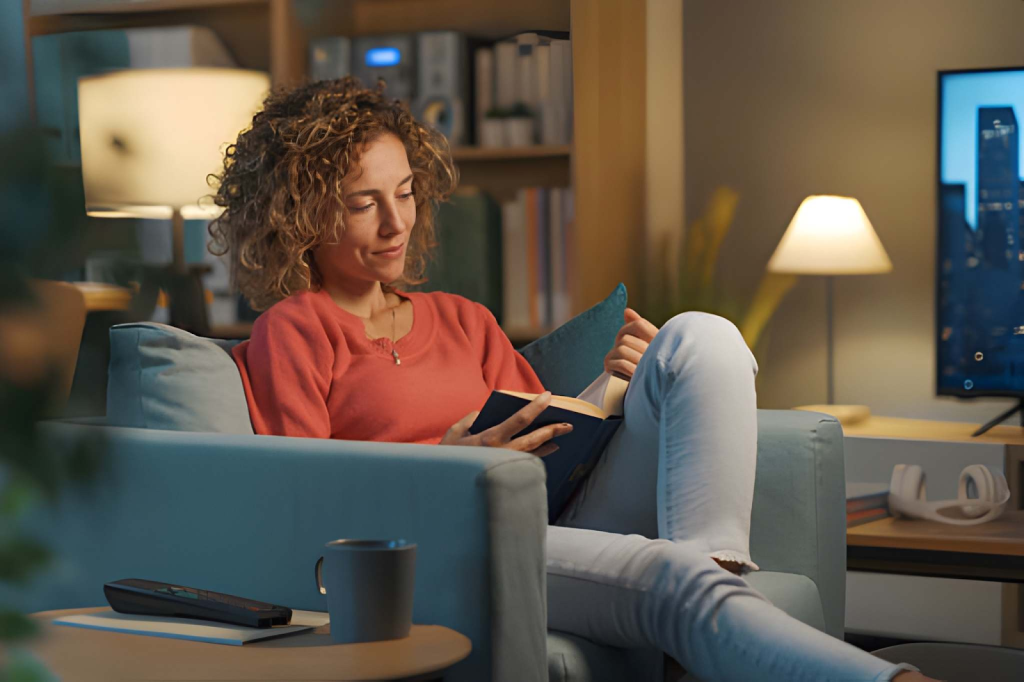
The past decade in real estate has marked a new era in home-buying, with buyers in 2026 viewing wellness and lifestyle as central to their decisions. As work patterns settle across hybrid and office-led models or remote work, homes have evolved from places of residence into foundations for daily well-being.
Floor plans matter, but so does how sunlight enters a room at different times of day. Location still counts, but walkability, open spaces within residential areas, and connectivity is also important. This represents a shift in priorities, one driven by lived experience rather than marketing trends.
Wellness features are no longer luxuries; they are baseline expectations. Where previously the focus was primarily on carpet areas and fittings, today’s buyers additionally assess how a home will support their physical health, mental clarity, and long-term quality of life.
What “Wellness Living” Truly Means in 2026

Wellness in real estate has moved past surface-level amenities. In 2026, home buyers are evaluating how their living spaces perform under the pressure of real life—long workdays, commute times, ageing families, remote schedules, and limited personal time.
Wellness today is viewed through three lenses – physical, emotional, and mental health. These are shaped by factors such as air quality, ergonomic planning, open spaces, access to nature, and community areas that encourage connection without crowding.
Buyers are looking for homes that continue to support health, routines, and lifestyles even when routines become demanding or inconsistent. They expect the spaces around them to function just as well on high-stress weekdays as they do on slower weekends. For example, mood stabilises when natural light patterns remain consistent across seasons or thoughtfully planned common areas shape how families and neighbours interact daily.
The Building Blocks of Wellness-Centric Homes
Natural Light & Air Flow
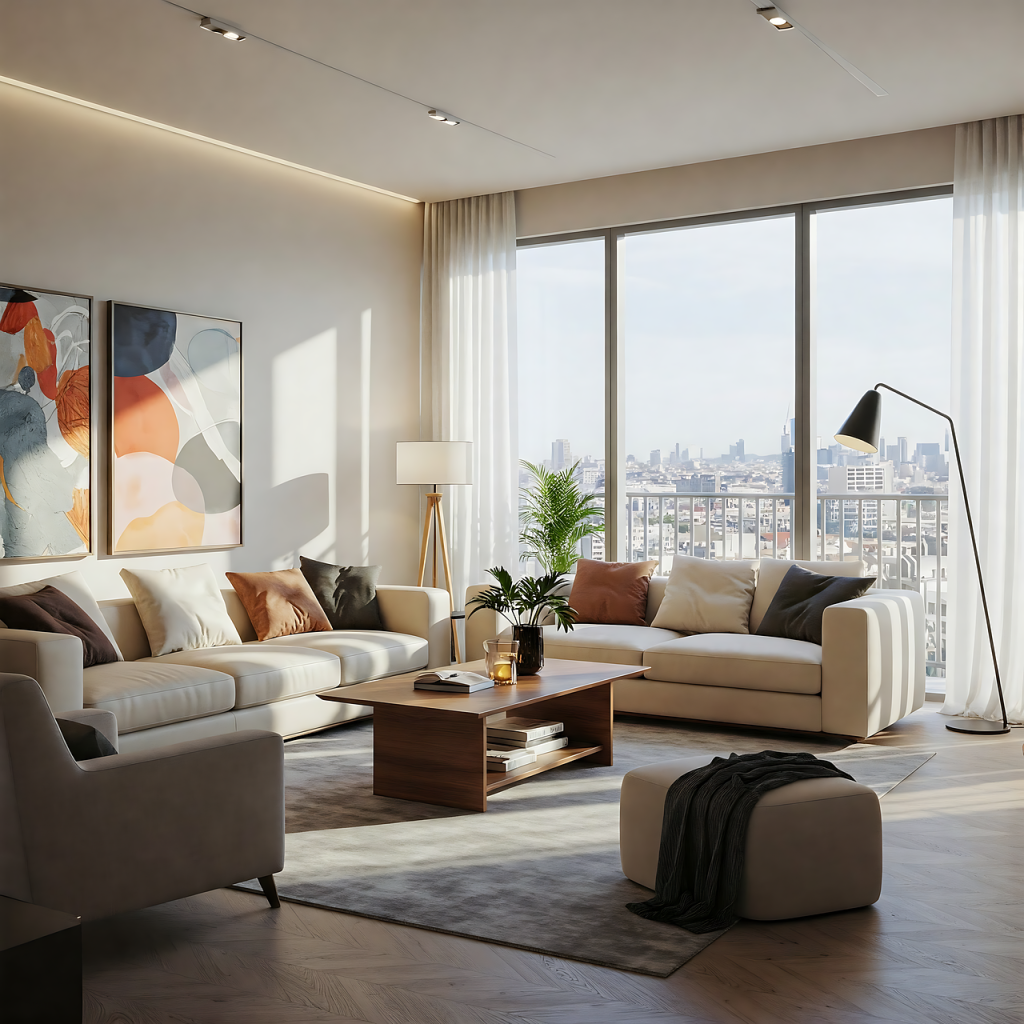
Daylight does more than illuminate a space. Exposure to natural light regulates circadian rhythms, which govern sleep patterns, hormone production, and cognitive function. Buyers now evaluate window placement, balcony access, and open layouts with the same scrutiny once reserved for kitchen finishes.
Access to Outdoor & Open Spaces
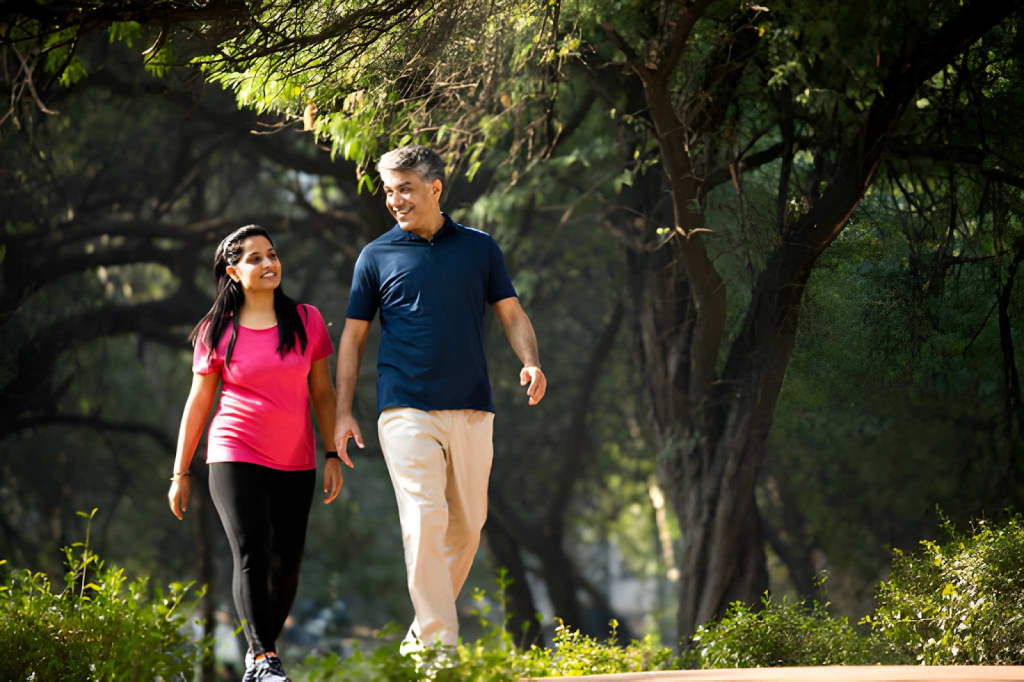
Buyers today seek properties where outdoor access is integrated into daily routines. Decks function as extensions of living space rather than afterthoughts. Ground-level podiums with landscaped gardens or open spaces for sport, provide accessible outdoor zones for morning walks or evening relaxation.
Quiet Zones & Acoustic Comfort
Urban density brings proximity to amenities, but it also introduces noise. Residences that offer quiet zones within the premises for work, rest, fitness or focused activity support better concentration and deeper recovery. In cities where stimulation is constant, the ability to retreat into silence carries real value.
Community Spaces That Encourage Movement & Interaction
Wellness includes social health as well. Shared spaces and casual interaction help residents maintain active lifestyles and build meaningful connections. Jogging tracks, walking paths, and multi-purpose courts make movement convenient. Clubhouses, landscaped seating areas, and community gardens create opportunities for spontaneous social engagement.
Wellness in Daily Life: How Homes Shape Healthier Routines
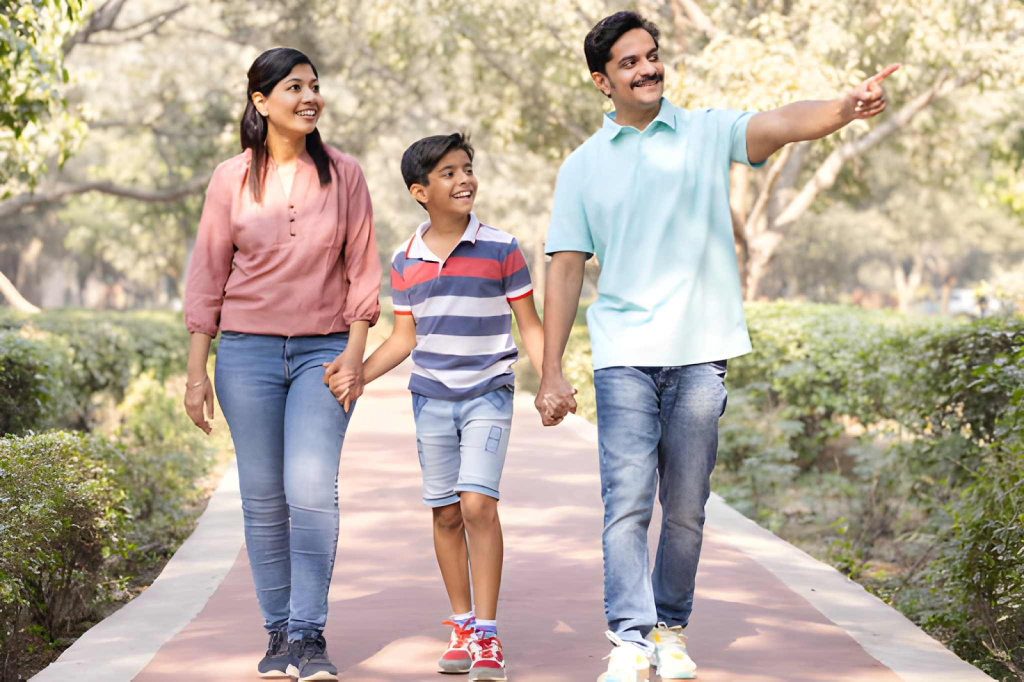
The most significant shift in wellness living is behavioural. Earlier, healthy living required joining clubs to swim, travel to gymkhanas to play sports, scheduled time for yoga, or a drive to public gardens to walk. Wellness existed outside the home and competed with time.
In 2026, those same activities are no longer treated as special efforts—they are part of everyday life. Wellness is no longer about whether facilities exist, but whether they fit naturally into daily patterns. Sunteck Realty recognizes this reality and embeds movement, recreation, and recovery into the residential environment itself, ensuring wellness becomes a routine, every day.
Swimming happens because the pool is accessible daily, walking becomes habitual because dedicated paths are created – this is movement integrated into routine across the residential spaces. Daily stress decreases when commutes are shorter, errands are walkable, and home environments actively support recovery. Over years, these seemingly small choices compound into significant improvements in overall well-being.
Real Projects, Real Impact
Sky Park, Mira Road
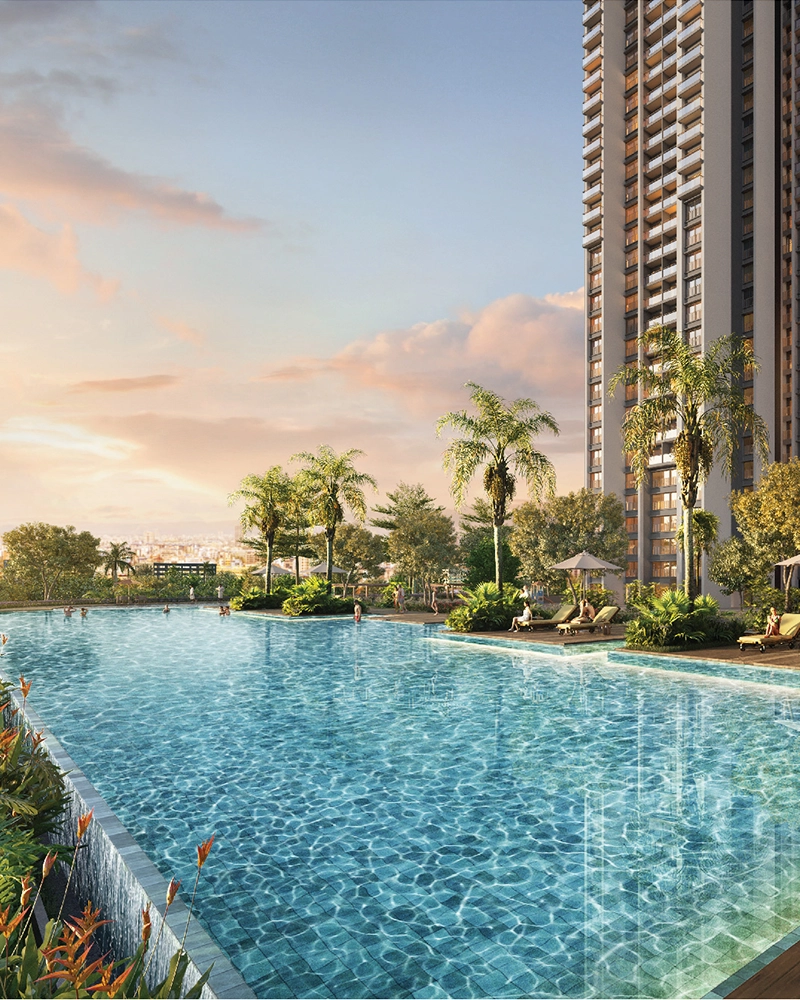
Sky Park approaches wellness through elevation and spatial relief. Rising 48 stories high, Sky Park demonstrates how living in elevated spaces, away from street noise, and openness contribute to wellness. Expansive deck spaces on higher floors provide panoramic skyline views and exposure to natural breeze. The design prioritizes air circulation and ample light inside the homes, creating living spaces that feel airy.
SBR Beachfront Living

The uninterrupted sea horizon at Sunteck Beach Residences offers more than aesthetic appeal. The presence of the sea introduces a predictable rhythm—natural light patterns, airflow, and visual openness—that naturally calms the nervous system. The beachfront setting of SBR offers daily exposure to expansive natural ocean views and reduced ambient noise, thus supporting emotional balance and allowing genuine rest.
Sunteck World

Sunteck World treats wellness as a system, rather than an amenity. Spread across multiple phases—West World, Maxx World, One World, and Ultra World phases – in Naigaon, the township is structured to support active living. Extensive jogging tracks, landscaped walking paths, and multi-purpose sports facilities are distributed throughout the development, making physical activity convenient. Community spaces encourage social interaction while providing areas for solo activities like yoga or quiet walks. Residents benefit from a planned community lifestyle where wellness infrastructure is embedded into the township through thoughtful urban planning.
Sunteck City
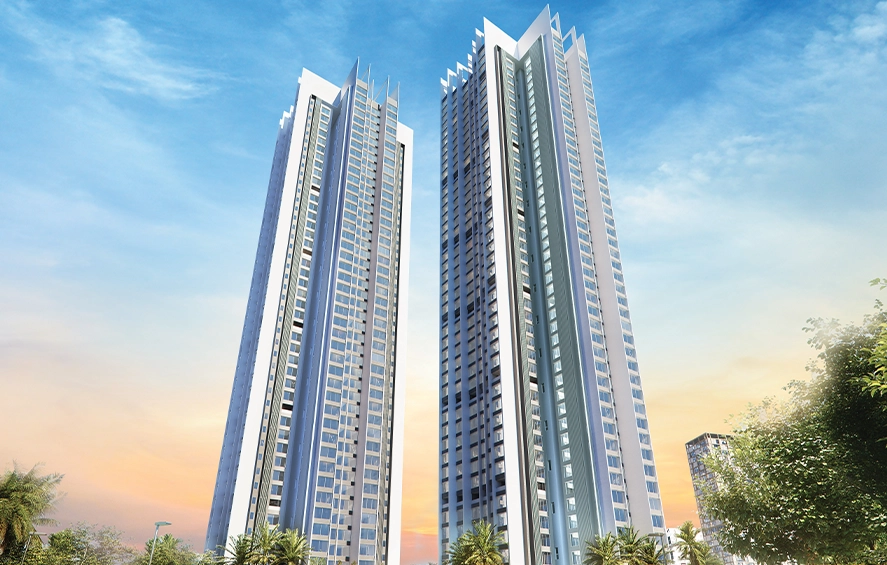
Sunteck City addresses a less discussed but critical aspect of wellness: time stress. Located in the Oshiwara District Centre of Goregaon, Sunteck City offers quick proximity to Western Express Highway, Ram Mandir Railway Station, and the Mrinaltai Gore Flyover reducing commute times significantly. The township’s integration of residential, commercial, and recreational spaces creates a self-contained ecosystem that supports balanced daily routines. Wellness here is about living more efficiently—where work, home, and recreation coexist without constant strain.
Wellness is a Long-Term Lifestyle Choice
In 2026, lifestyle-led residential projects are evaluated for how well they support change—across career phases, family structures, and ageing. Buyers assess whether spaces remain functional as children grow, work patterns shift, or mobility needs evolve. Flexibility, connectivity, access to green spaces, and ease of movement matter more than novelty.
This long-term view reframes decision-making. Instead of asking what feels impressive today, buyers consider what will continue to support daily routines years from now. Wellness, in this sense, is not about accumulation of amenities, but about continuity of living quality. Homes that enable stable habits, reduce friction over time, and adapt without disruption hold enduring value.
Sunteck Realty Builds Homes That Care for You
Sunteck Realty approaches wellness as a planning principle rather than a marketing layer. Its residential developments are structured around how people live, move, and change over time—integrating spatial efficiency, behavioural ease, and everyday functionality across configurations and scales.
By focusing on lifestyle-led planning instead of temporary trends, Sunteck creates homes that support consistent routines, balanced living, and long-term comfort. The result is residential environments that do not demand adaptation from residents, but adapt naturally to them—quietly supporting health, stability, and well-being through every stage of life.
Discover your home in 2026 with Sunteck Realty: https://www.sunteckindia.com/residential